THE USEFUL PART
- Name the creative difference you want to learn about.
- Connect the film to the offer and destination page.
- Read relevant business outcomes alongside viewing metrics.
A useful paid-video test starts with a question: which explanation helps the intended audience take a relevant next step? Real interviews, customer accounts and demonstrations can provide material to test, but the presence of a real person is not a guarantee of a winning ad.
Treat creative production and campaign measurement as connected decisions. Agree what the video needs to communicate, where it will run and what the destination page asks the viewer to do. Then make a small set of purposeful alternatives rather than a large batch of unrelated edits.
Start with the buyer’s question
Write one question the prospective customer is trying to answer. For a professional service, it might be what the first conversation involves. For a product, it might be how a particular feature works. A short video can begin answering that question without introducing every part of the business.
The opening should give the right person a reason to keep watching. A clear question, a useful visual demonstration or a recognisable situation can do that. Avoid opening with a dramatic promise that the rest of the film cannot support.
Google’s ABCD creative guidance groups YouTube ad principles around attention, branding, connection and direction. Use it as a planning reference, not a prediction that a particular film will achieve the results reported in someone else’s campaign.
Decide what the first test can teach you
Choose a limited creative difference. Two openings can explore whether the audience responds to a practical question or a demonstration. Two explanations can explore which aspect of a service is easier to understand. Keep the offer, destination and intended audience as consistent as the campaign setup allows.
If you change the person, script, length, audience and offer at the same time, the result may be hard to interpret. That does not make the creative useless, but it limits what you can confidently learn. Name the variable you are exploring in the production brief.
Before launch, write down what would count as useful evidence and when the campaign manager will review it. A handful of clicks rarely tells a complete story. The appropriate sample, duration and decision rules depend on the campaign, spend and frequency of meaningful actions.

Film evidence that supports several edits
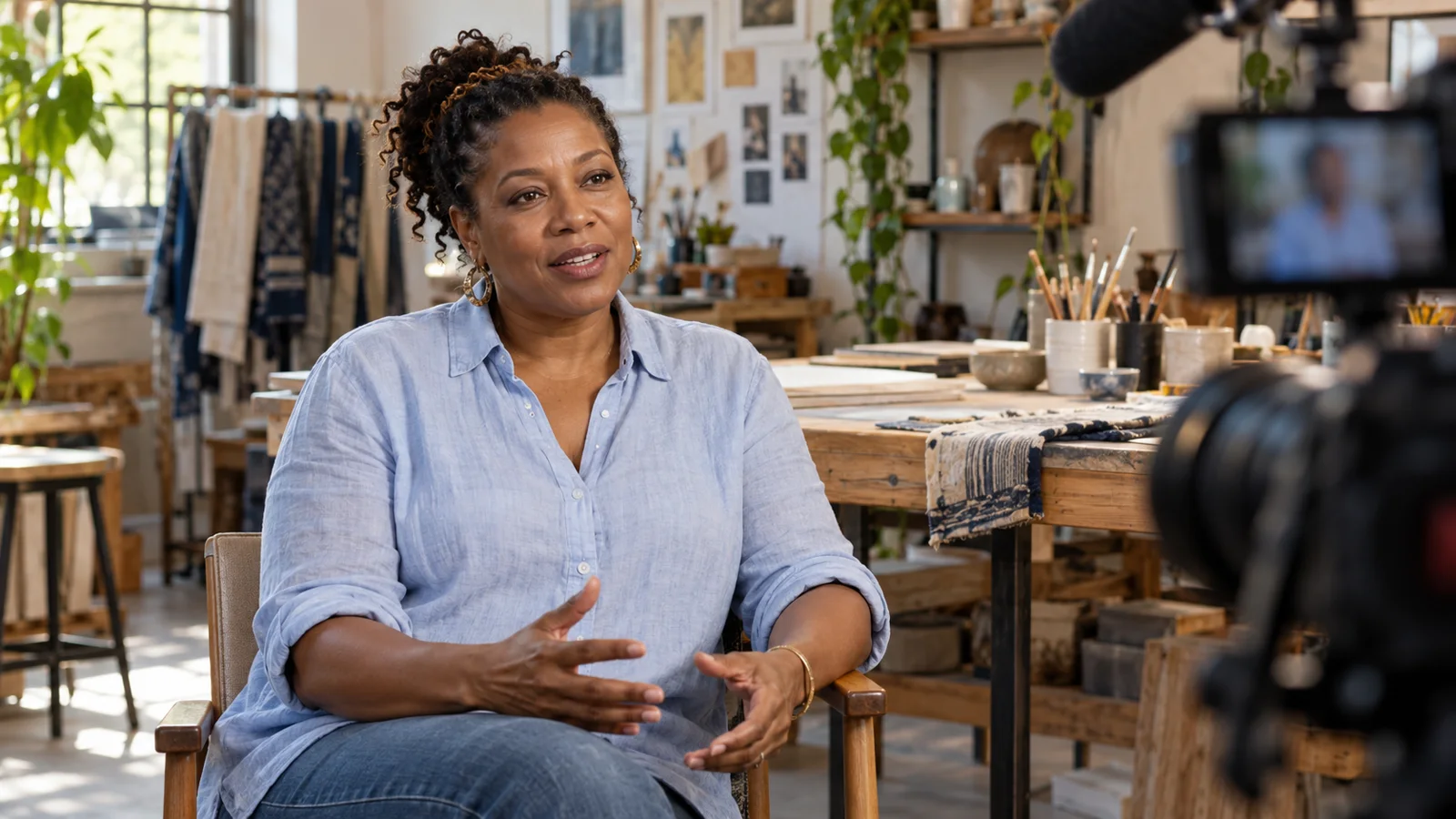
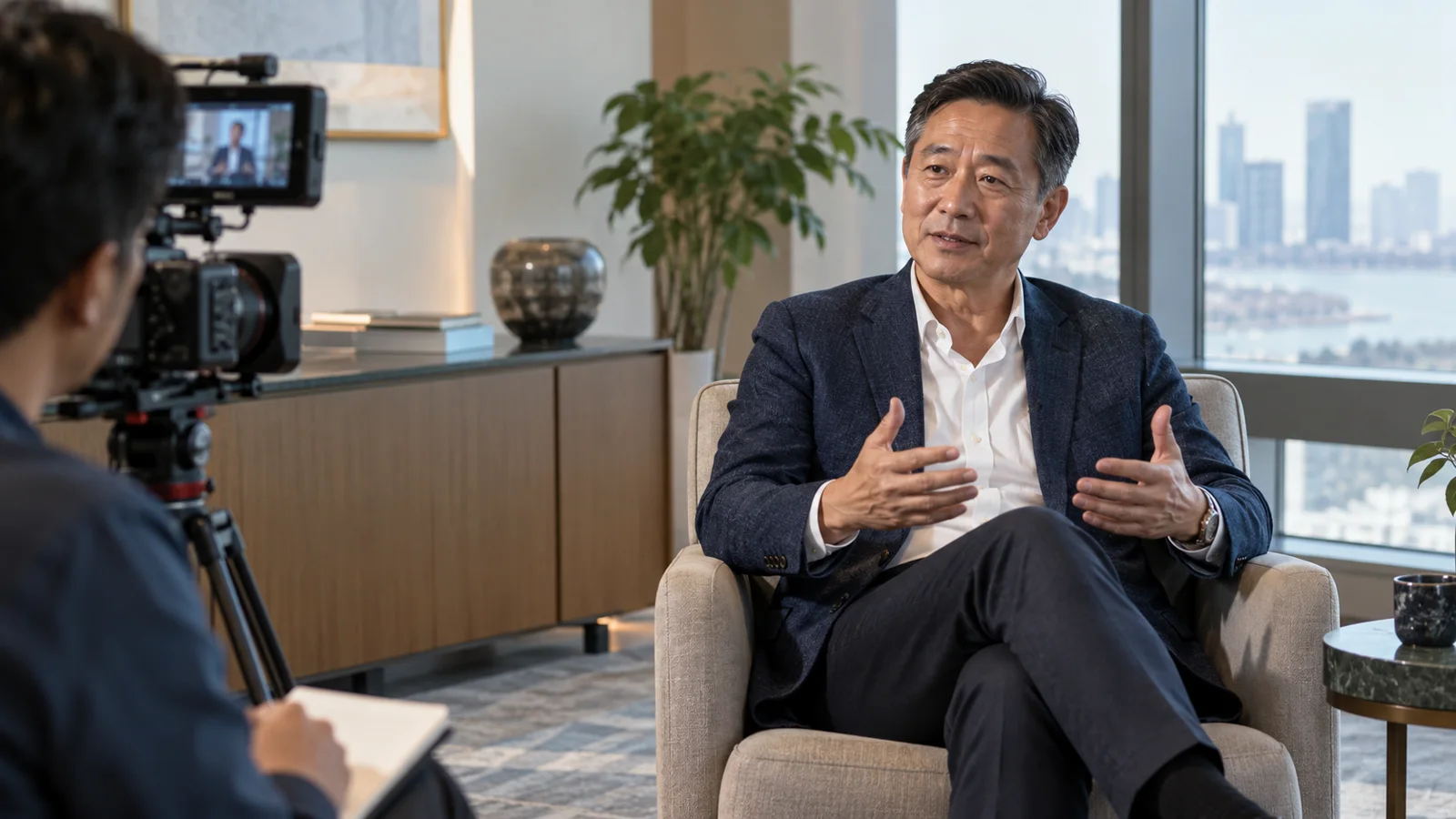
A real interview can produce more than one opening if the questions are planned. Ask the speaker for a concise explanation, an example and a practical next step. Record supporting footage that illustrates the answer rather than relying on decorative cutaways.
A hypothetical accounting practice could record a team member explaining the first meeting, followed by approved footage of the preparation process. One edit might begin with a common question; another might begin with the preparation itself. Neither needs an invented customer claim or a promise of financial results.
Confirm which versions are in scope. Different aspect ratios, captions, thumbnails, opening lines and endings require editorial work. Agree those deliverables with the production team and campaign manager before the shoot, including any rights for people, music or other assets.
Give the viewer one coherent next step
An ad that introduces a consultation process should lead to a page that explains that process and makes contact straightforward. Sending the viewer to an unrelated general page creates another decision before the first question has been resolved.
Match the words on the landing page to the actual offer in the film. Make the form understandable, check it on mobile and confirm where submissions go. If the page offers an enquiry rather than a confirmed booking, say so. The handoff matters as much as the call to action in the edit.
Write the supporting page copy so people can understand the service without playing the video. A useful headline, a concise explanation and a clear form support people who scan, cannot use sound or prefer to read first.
Read outcomes beyond the view count
Choose a primary measure that reflects the purpose of the campaign. For a service business, a relevant enquiry may matter more than a completed view. Define what makes an enquiry relevant, and make sure the person handling it can distinguish a genuine prospect from a test or unrelated request.
Use viewing behaviour as supporting information. A sharp drop near the opening may suggest a mismatch between the promise and audience, but the interpretation needs context. A longer viewing time does not automatically mean more sales. Compare the whole path, including what happens after the click.
Keep a record of campaign dates, creative versions, major changes and the definition of the chosen outcome. That gives later creative decisions a more reliable basis than remembering which film seemed to perform best.

Keep the claim intact when cutting shorter
A strong excerpt can become misleading if the edit removes its qualification. Check that a statement still means the same thing after shortening. Customer experiences, especially, should not be edited into a universal promise about what every viewer will receive.
Plan any required claim review and disclosures before publication. If the video features a paid creator or endorsement, the relationship needs appropriate treatment; our guide to real creator video covers the production questions to raise with the responsible reviewer.
Do not treat AI-versus-real as the only variable worth exploring. The clearer explanation, more relevant example or better destination may matter more to this particular audience. Test the actual communication problem instead of trying to prove a universal rule about a production method.
Prepare a testable production brief
- Name the audience and the question the film should answer.
- Choose one core message and the evidence you can show.
- List the deliberate creative variations and agreed versions.
- Confirm the destination page, form and enquiry recipient.
- Agree the primary outcome and the campaign manager’s review plan.
- Check claims, permissions, captions and mobile playback.
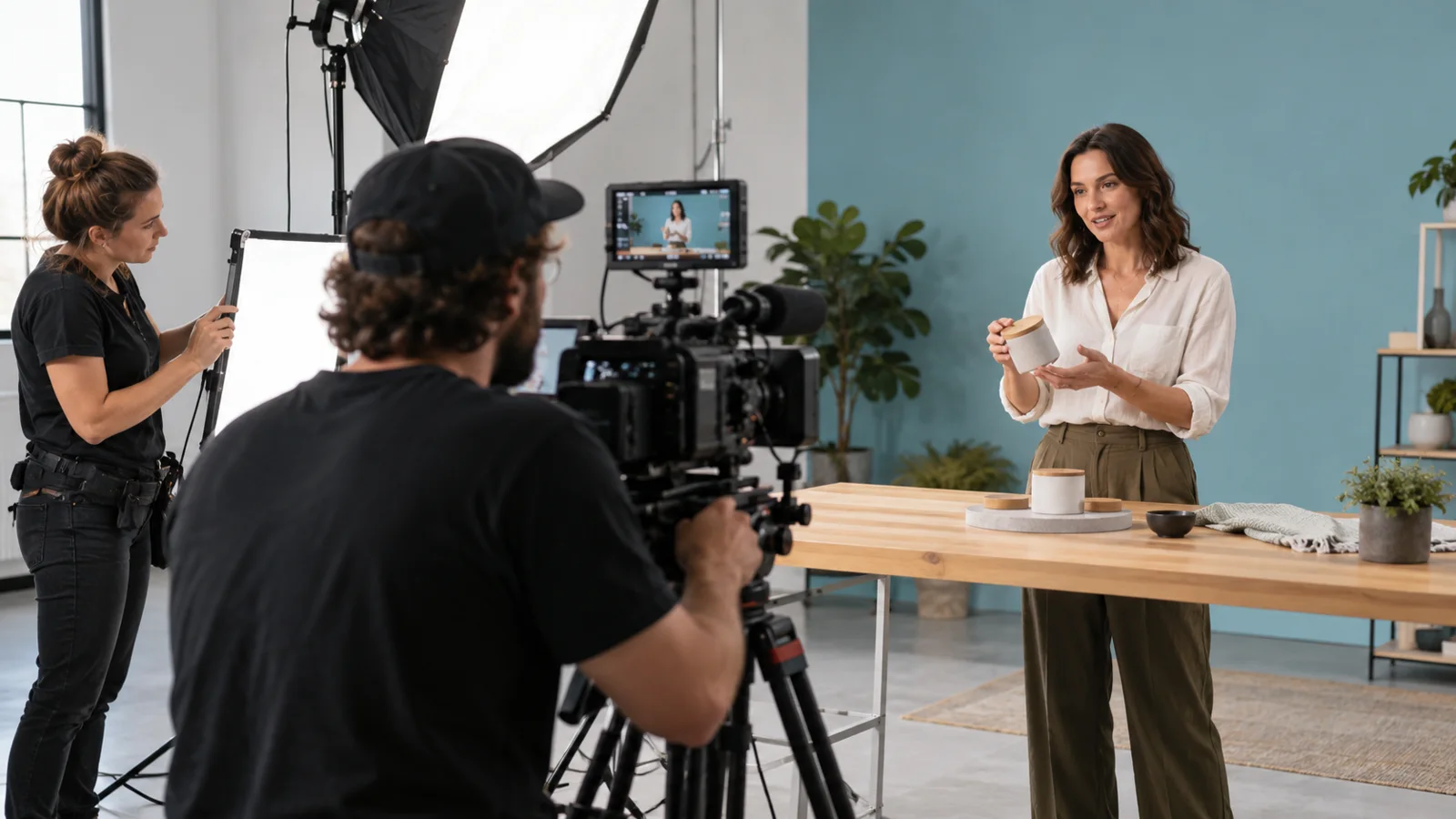
Stoking Fire Productions provides the filmed creative; EVKII website and growth services are a separate conversation with their own scope and enquiry path. Explore production packages to plan the material first. Campaign activation, budgets and performance commitments require a separate agreement.
A CLEARER FIRST CONVERSATION
Bring your idea.
We’ll talk production.
Discuss your video projectAI-assisted editorial prepared by EVKII for Stoking Fire Productions. Images are generated editorial illustrations of fictional people and settings; they are not client testimonials, project evidence or photographs of the SFP team. Examples described as hypothetical are planning examples. Scope, permissions and specialist review are agreed for each production.