THE USEFUL PART
- Give each audience its own useful question.
- Agree access, privacy and specialist review before filming.
- Preserve the meaning of the answer in every version.
Professional-services video works best when it helps people understand who they will meet, how a service begins and what questions to ask next. A filmed introduction or expert interview can show the actual professional explaining their approach. That is especially relevant when the person delivering the service is part of the decision.
A law practice, accounting firm, healthcare team and biotech company have different approval needs. They should not receive the same script with an industry name swapped in. The shared starting point is a real person, a useful question and a clear boundary around what the film can responsibly say.
Choose an introduction your audience needs
Begin with a buyer’s uncertainty. A prospective client may want to understand the first meeting, the kind of work a practice handles or which member of a team they should contact. A patient may want to recognise the people and space before visiting. A scientific partner may need an accessible explanation of a process before a more technical discussion.
Choose the smallest useful answer. “Meet the practice” can become a vague tour. “What should you bring to your first conversation?” suggests a practical film with a clear role on a service page. The production brief should name that role before describing a camera style or choosing a filming date.
Let the professional explain, without performing
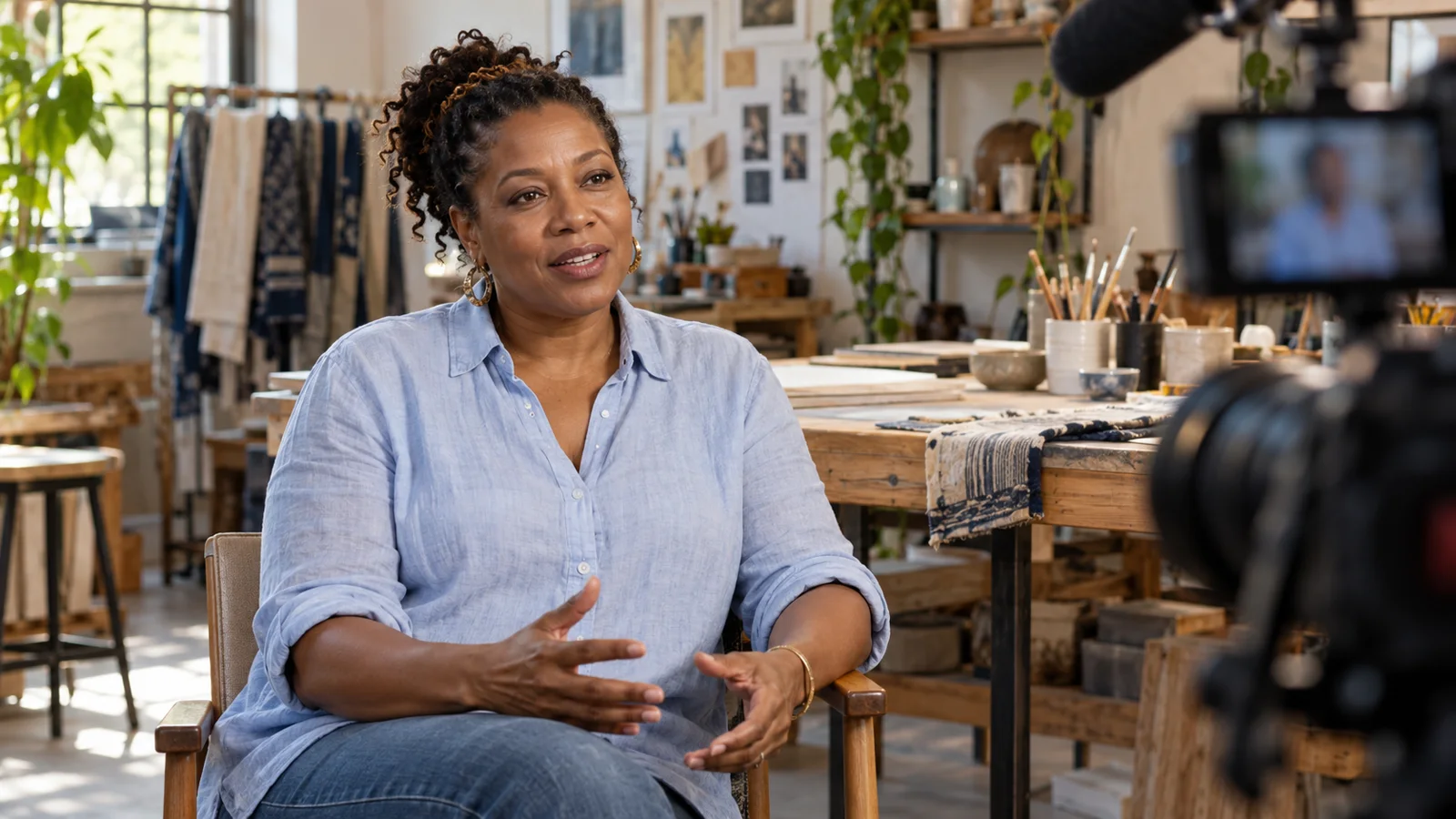
Prepare a short set of topics rather than asking someone to memorise a wall of marketing copy. Questions should invite the speaker to explain something they know, using words their audience understands. The interviewer can ask for clarification when the answer becomes too technical.
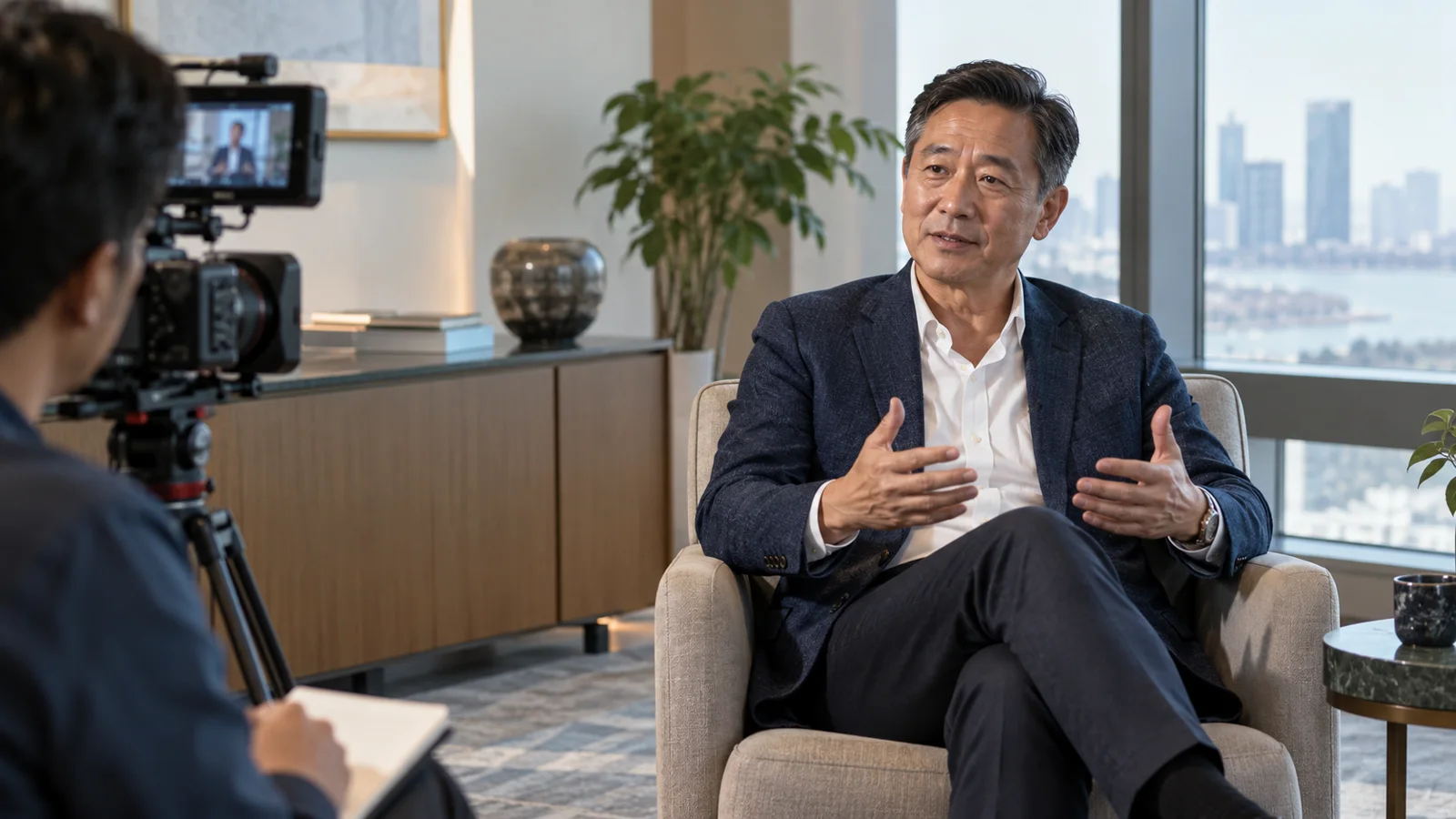
A hypothetical accountant might explain how the team prepares for an initial business review, without giving personal tax advice. A hypothetical attorney might introduce the practice’s consultation process, without discussing identifiable matters or promising an outcome. These are planning examples, not claims about a Stoking Fire client or a particular professional’s services.
Build time into the shoot for the subject to settle into the conversation. Short answers can be recorded again with a clearer beginning. The final edit should preserve the speaker’s meaning and the qualifications that make an explanation accurate.
Plan permissions before the camera arrives
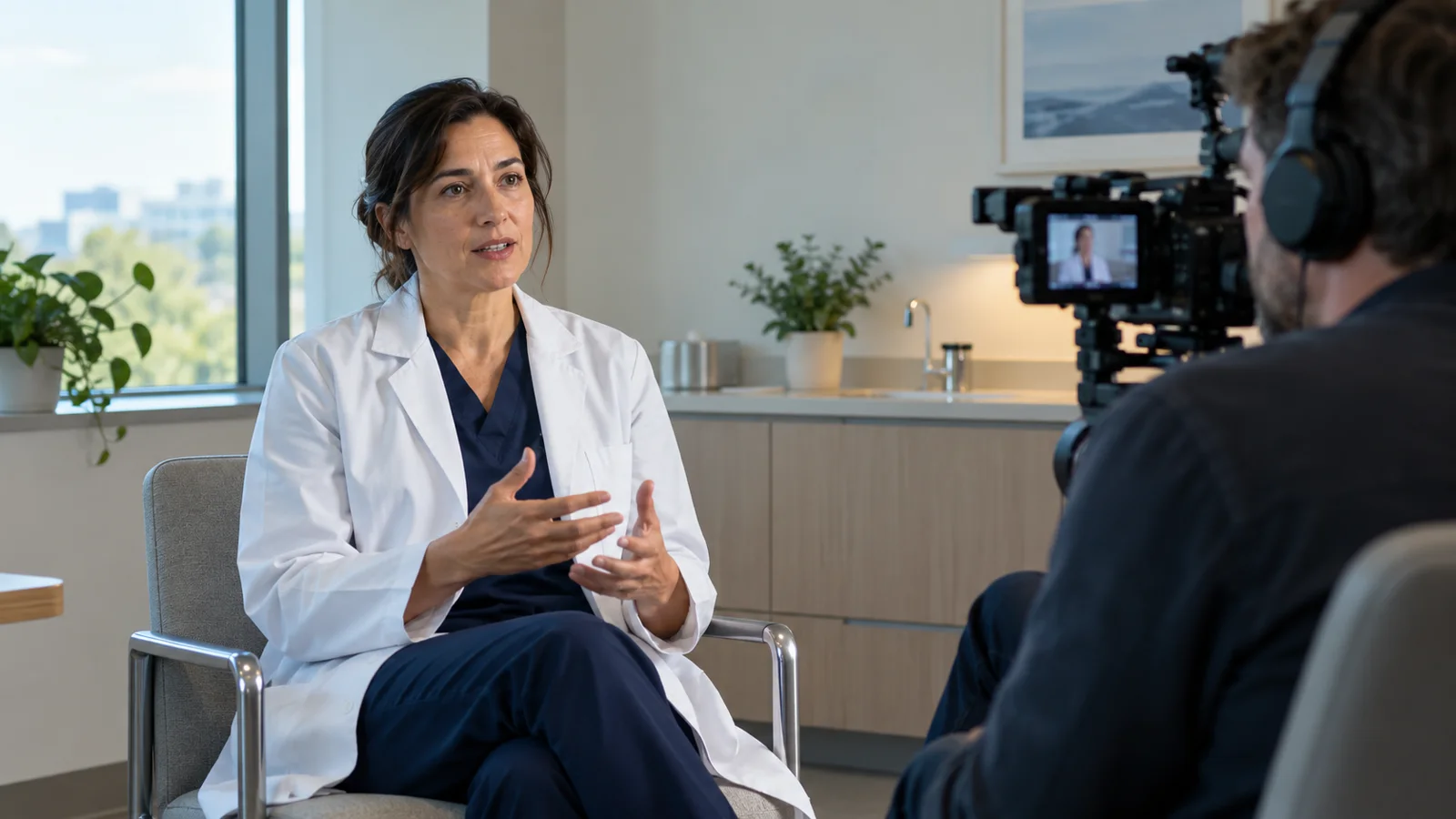
Agree who may appear, which rooms may be filmed and what must stay out of view. Review backgrounds as carefully as spoken answers. Screens, appointment boards, documents, conversations and reflections can reveal information that was never intended for publication.
Healthcare filming needs particular care. HHS explains that a covered provider generally cannot give film crews access to areas where patient information is accessible without the required prior authorisations; blurring afterwards does not solve the original access problem. See the HHS guidance on filming and media access. Have the practice’s responsible privacy or compliance lead determine the requirements before filming.
For any professional setting, agree a controlled space and an approval owner. Do not send confidential records through a general production enquiry. This guide is a production-planning resource, not legal, medical or regulatory advice, and a film crew cannot certify a practice’s compliance simply by attending a shoot.
Match the pictures to the explanation
An interview does not have to remain a single uninterrupted shot. Approved supporting footage can show a team preparing a meeting space, a professional using a nonconfidential demonstration or a real process explained at an appropriate level.
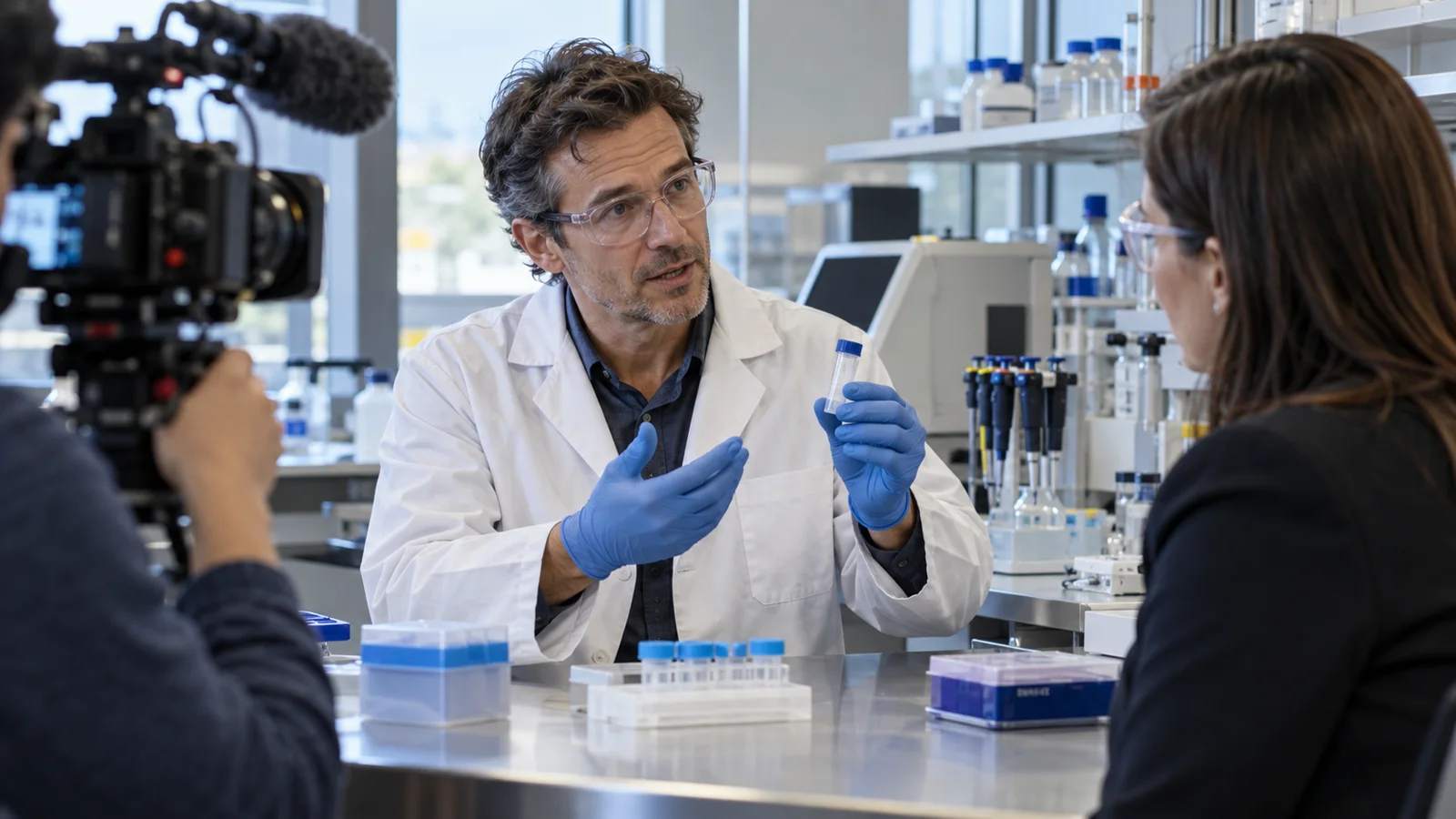
In biotech and science, work with the technical reviewer to decide what can be shown and what each image represents. Demonstration materials should not imply experimental results or capabilities that have not been established. The difference between a visual explanation and scientific evidence must remain clear.
Likewise, a practice tour should introduce the actual space rather than suggest experiences or outcomes the viewer has not been promised. Write a simple shot list linked to the message. If a picture does not clarify something, ask whether it belongs in the film.
Agree the review process while the scope is small
Decide who checks factual statements, who reviews brand presentation and who gives final approval. Consolidate those comments through one project owner. Separate preferences about the edit from necessary corrections, and identify the reason for each requested change.
Plan specialist review before the final deadline. If a legal, clinical or technical reviewer needs to approve language, involve that reviewer in the outline. Replacing an entire message after filming is harder than resolving a question before the shoot.
Check names, titles, captions and on-screen descriptions. Remove outdated statements and confirm that any approved examples remain suitable for the intended publication. The person responsible for the practice’s claims should review the final version, not only the interview questions.
Create versions around real uses
A main introduction, a short answer for a service page and a concise social edit have different jobs. List the required versions in the proposal, including aspect ratios, captions, thumbnails and any language needs. They are scoping decisions rather than automatic inclusions.
Keep the context intact in shorter edits. A clip should not turn a qualified explanation into an absolute promise. If the answer requires background, retain it or choose a different excerpt. A clear, complete short answer is more useful than a dramatic fragment that changes the meaning.
For the page itself, include a written summary and a simple next step alongside the film. Let visitors read what the practice does, then watch to meet the person behind the explanation.
Bring these questions to your production conversation
- Which person and audience does this film introduce?
- What should a viewer understand before making contact?
- What information, rooms and people must remain off camera?
- Who approves factual claims and the finished edit?
- Which website and social versions are needed?
- What should the viewer do after watching?
Explore law-firm video, accountant video or the practice and science production packages. Stoking Fire Productions can discuss a shoot around your real people and location in San Diego or Orange County. Scope, access, review requirements and deliverables are agreed for the individual project.
A CLEARER FIRST CONVERSATION
Bring your idea.
We’ll talk production.
Discuss your video projectAI-assisted editorial prepared by EVKII for Stoking Fire Productions. Images are generated editorial illustrations of fictional people and settings; they are not client testimonials, project evidence or photographs of the SFP team. Examples described as hypothetical are planning examples. Scope, permissions and specialist review are agreed for each production.